
Form 4 Chemistry national exam 2026
PART ONE
Question 1 · 2 marks
The chemical symbol of Aluminum Oxide is:
Al3O2
AlO3
Al2O
Al2O3
How to find the answer
Al2O3
Jawaab: Al2O3.
Question 2 · 2 marks
Which state of matter the figure below shows?
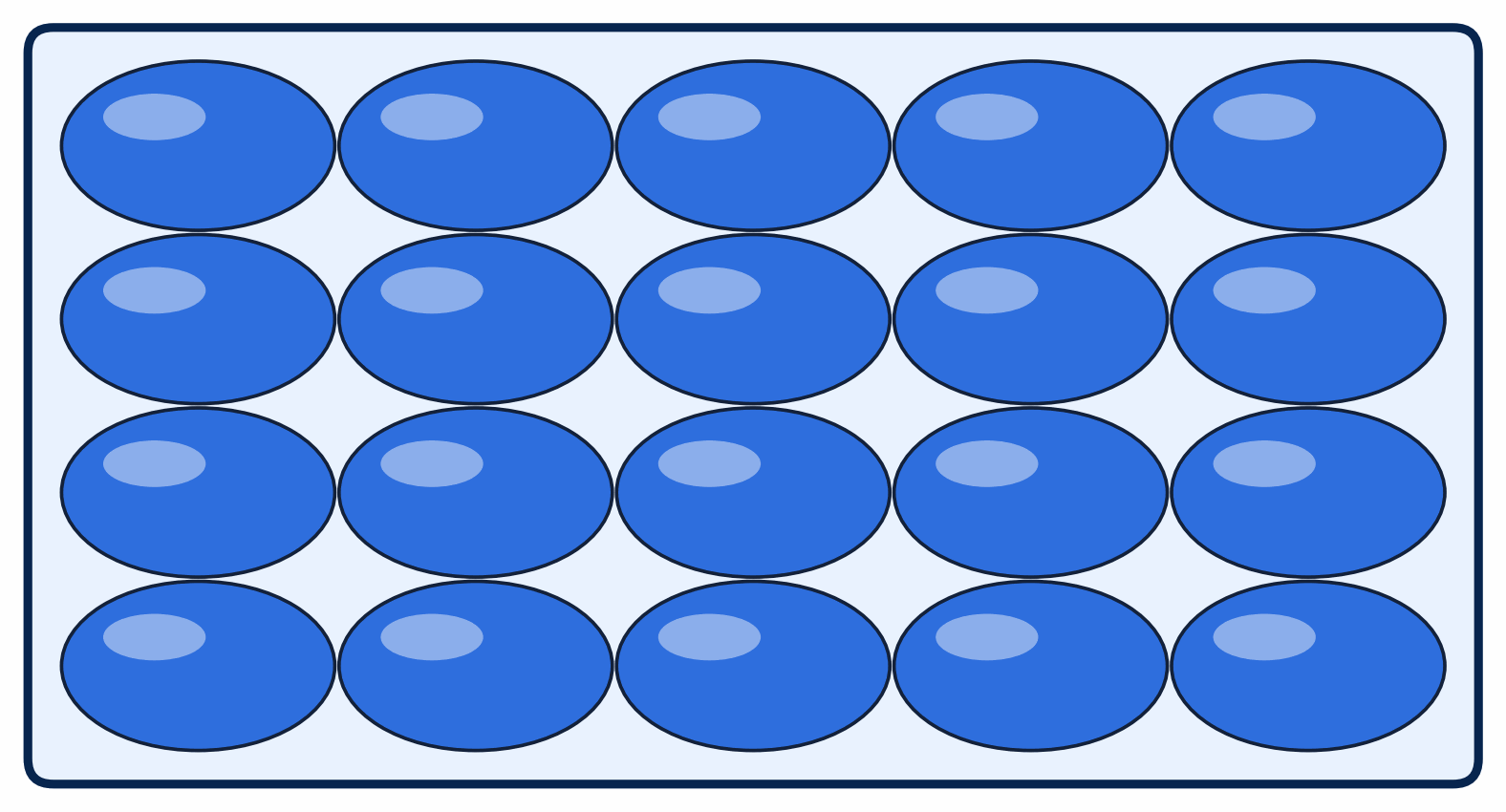
solid
liquid
gas
plasma
How to find the answer
solid
Jawaab: solid.
Question 3 · 2 marks
What is the type of the reaction below?

Composition
Decomposition
Displacement
Combustion
How to find the answer
Composition
Jawaab: Composition.
Question 4 · 2 marks
The molar mass of Na2CO3 will be ……………(given that Na = 23 C = 12 0 = 16)
51gram/mol
74gram/mol
106grma/mol
100gram/mol
Question 5 · 2 marks
Which one of the following acids is diprotonic acid?
H2SO4
HNO3
HCl
H3PO4
Question 6 · 2 marks
The diagram below shows the reaction proflie, which type of reaction the figure represents?
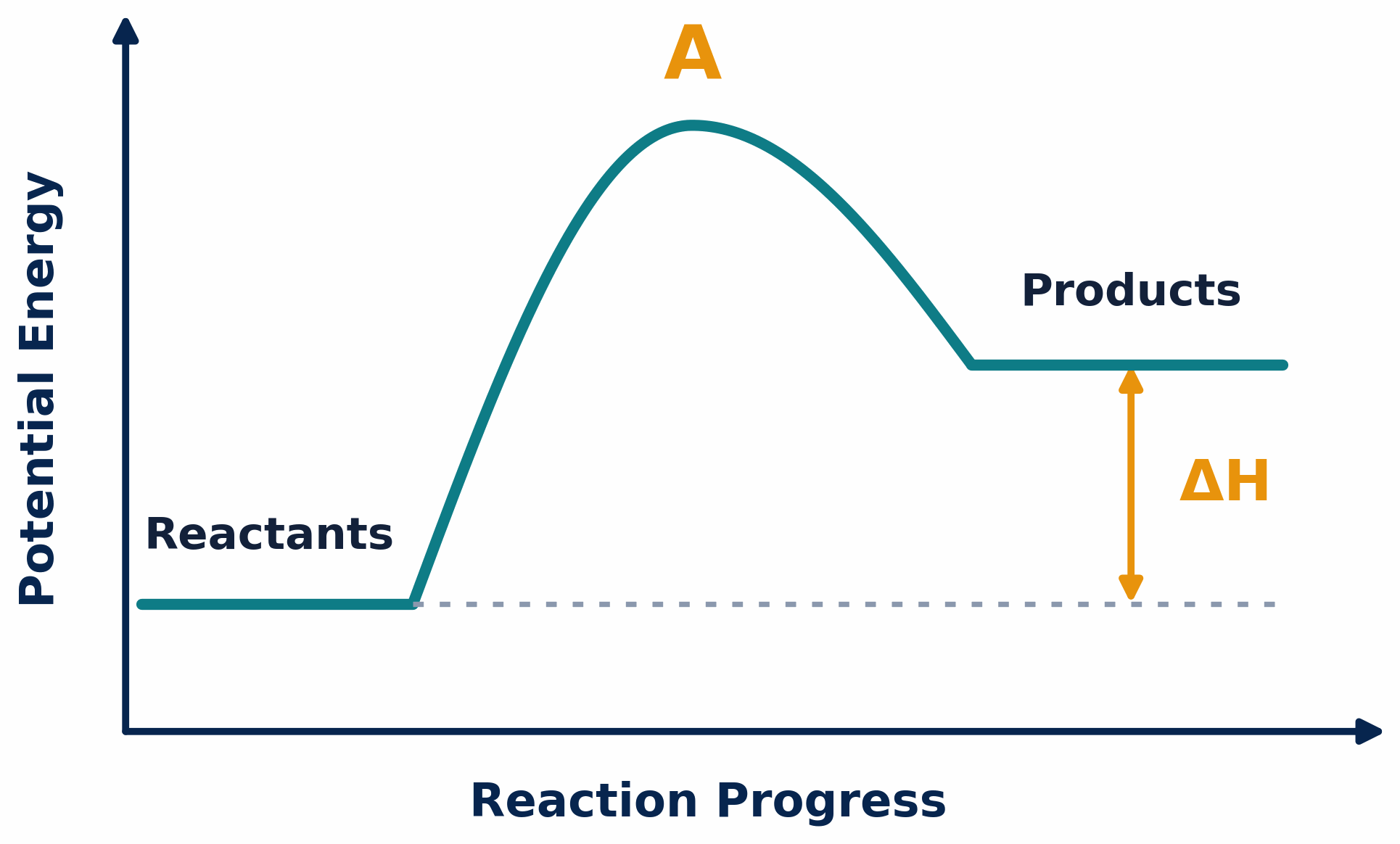
Endothermic
Exothermic
Reversible
Displacement
Question 7 · 2 marks
which one of the following reactions is non-redox reaction?
Mg + O2 → 2MgO
CaI2 → Ca + I2
NaOH + HCl → Nacl + H2O
2Na + Cl2 → 2NaCl
Question 8 · 2 marks
What is type of isomerism that these two molecules have?
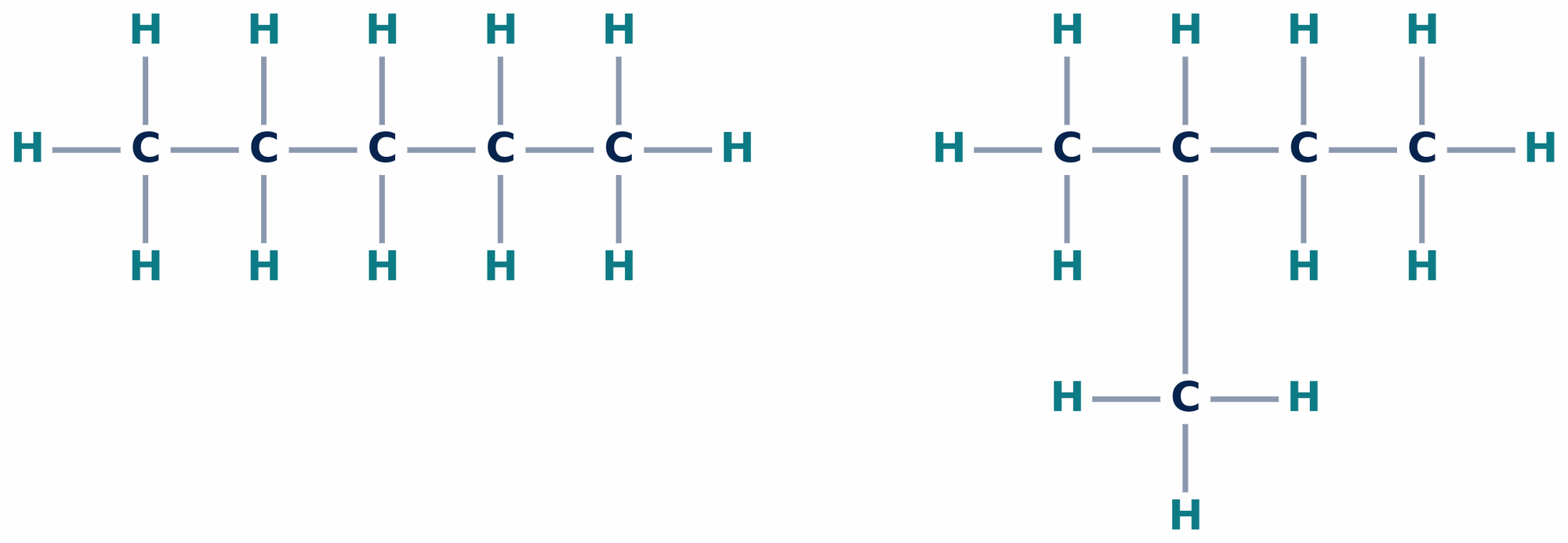
Functional
Chain
Geometric
Position
Question 9 · 2 marks
The correct IUPAC name of the following structure is:
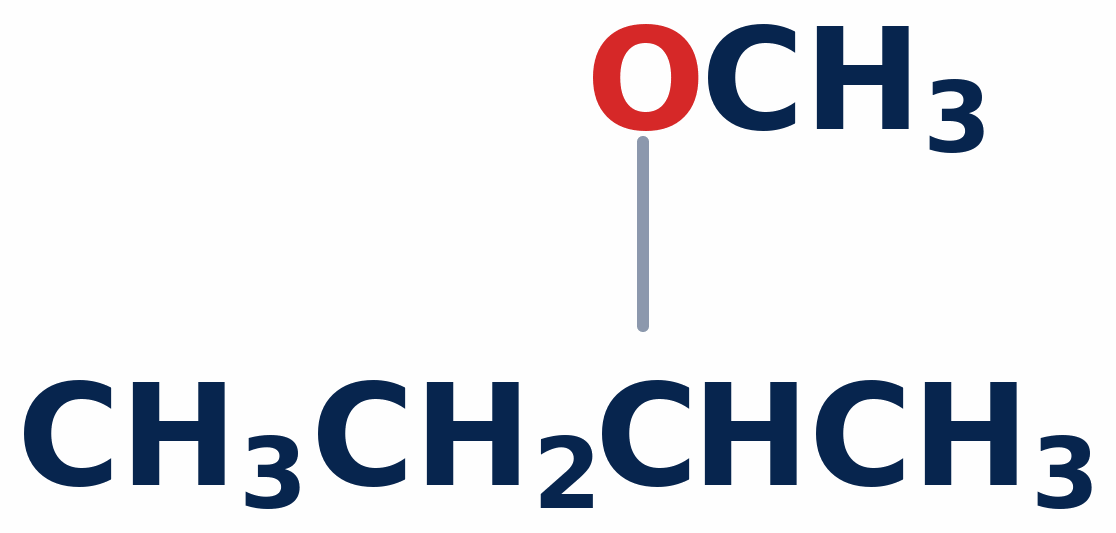
2 -methyl butane
2- Methoxy propane
2-Propoxy methane
2-methoxy butane
Question 10 · 2 marks
By using the following formula 2n-4+1, find the number of possible isomers of pentane.
3
4
5
2
Question 11 · 2 marks
Triols are alcohols that contain:
Two hydroxyl group in their formula
One hydroxyl group in their formula
Three hydroxyl group in their formula
More than three hydroxyl group in their formula
Question 12 · 2 marks
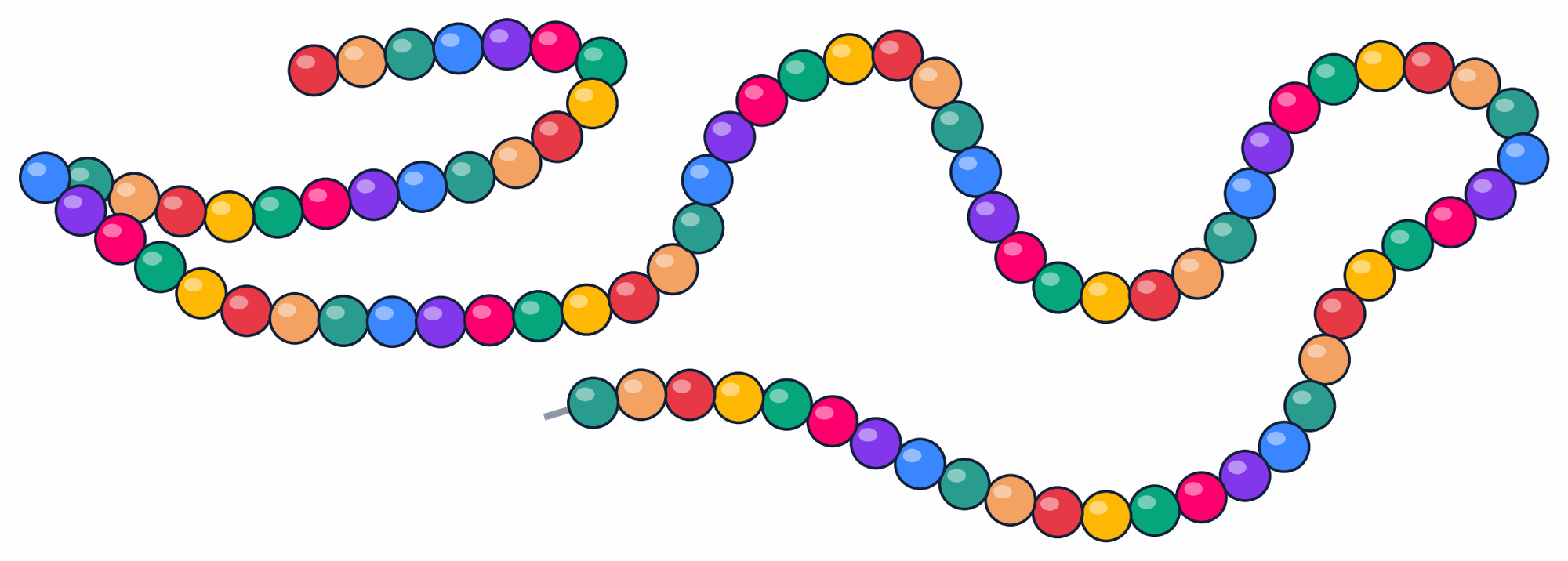
Which structure of protein that figure below represents?
Secondary
Primary
Tertiary
Question 13 · 2 marks
Group 16 elements on the periodic table are called:
Carbon family
Oxygen family
Boron family
Question 14 · 2 marks
If the ratelaw = k[A]3[B] the overall order of the reaction will be…….
4
3
1
2
Question 15 · 2 marks
Which direction the chemical equilibrium will shift if the temperature of reaction increases?

To right
To left
Towards product
Remain unchanged
PART TWO
Filtration · Parameters · Galvanic Cell · Thermodynamic Property · Air Pollution · Alkane · Substitution · Functional Group · Glycerol · Ns<sup>2</sup>np<sup>3</sup> · Equilibrium · Reactant · Product · Half Life · Nucleotide · Basic
Question 16 · 2 marks
The process of separating insoluble solid from the liquid is known ……………
Equilibrium · Substitution · Filtration · Air Pollution
Question 17 · 2 marks
The measurable properties of gases are called ……………
Air Pollution · Equilibrium · Parameters · Nucleotide
Question 18 · 2 marks
The type of electrochemical cell which convert chemical energy into electrical energy is called ……………
Nucleotide · Ns2np3 · Basic · Galvanic Cell
Question 19 · 2 marks
The measurable quantity that is used to describe the state of thermodynamic system is known as ------------------------
Glycerol · Thermodynamic Property · Half Life · Filtration
Question 20 · 2 marks
The releasing of harmful materials into the atmosphere can result what is called …. …………
Alkane · Air Pollution · Equilibrium · Functional Group
Question 21 · 2 marks
The saturated hydrocarbon that contain C-C single bond is called ……………
Filtration · Thermodynamic Property · Air Pollution · Alkane
Question 22 · 2 marks
The reaction in which one atom is displaced by another atom is called ……………
Half Life · Substitution · Nucleotide · Alkane
Question 23 · 2 marks
The atom, or group of atoms or bonds that determine the characteristics of organic compound is called ……………
Functional Group · Substitution · Filtration · Glycerol
Question 24 · 2 marks
The triglyceride in the lipids compound made up fatty acids and ……………
Air Pollution · Parameters · Filtration · Glycerol
Question 25 · 2 marks
The valance electron configuration of the group 15 elements is ……………
Filtration · Ns2np3 · Thermodynamic Property · Equilibrium
Question 26 · 2 marks
Q=k; the system is at ……………
Functional Group · Equilibrium · Thermodynamic Property · Substitution
Question 27 · 2 marks
The rate of the reaction can be measured by using the concentration changes of ……………and ……………with unit of time
Ns2np3 · Reactant · Product · Substitution · Air Pollution
Question 28 · 2 marks
The time required half of radioactive substance to decay is called ……………
Half Life · Substitution · Alkane · Functional Group
Question 29 · 2 marks
The chemical units that nucleic acids made up is called ……………
Glycerol · Equilibrium · Reactant · Product · Nucleotide
Question 30 · 2 marks
Amino acids that contain more amino group that carboxyl group is called ……………
Equilibrium · Basic · Glycerol · Filtration
PART THREE
Question 31 · 4 marks
Define the following terms
a) Atom:
b) Proton:
c) Atomic number:
d) Isotopes:
Question 32 · 4 marks
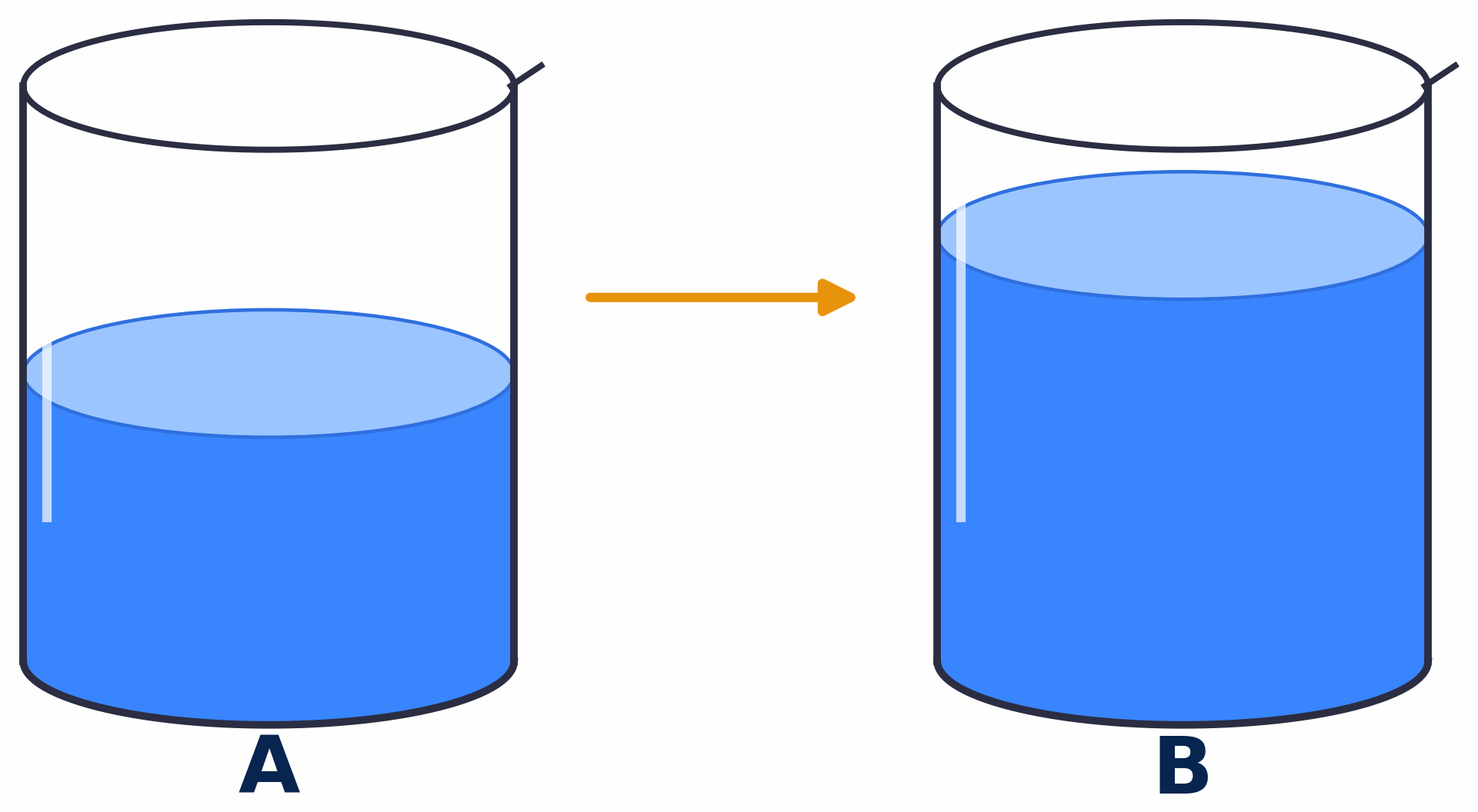
The diagram below shows dilution process:
a. What happens to the concentration of solution B?
b. What happens to the volume of solution B?
Question 33 · 4 marks
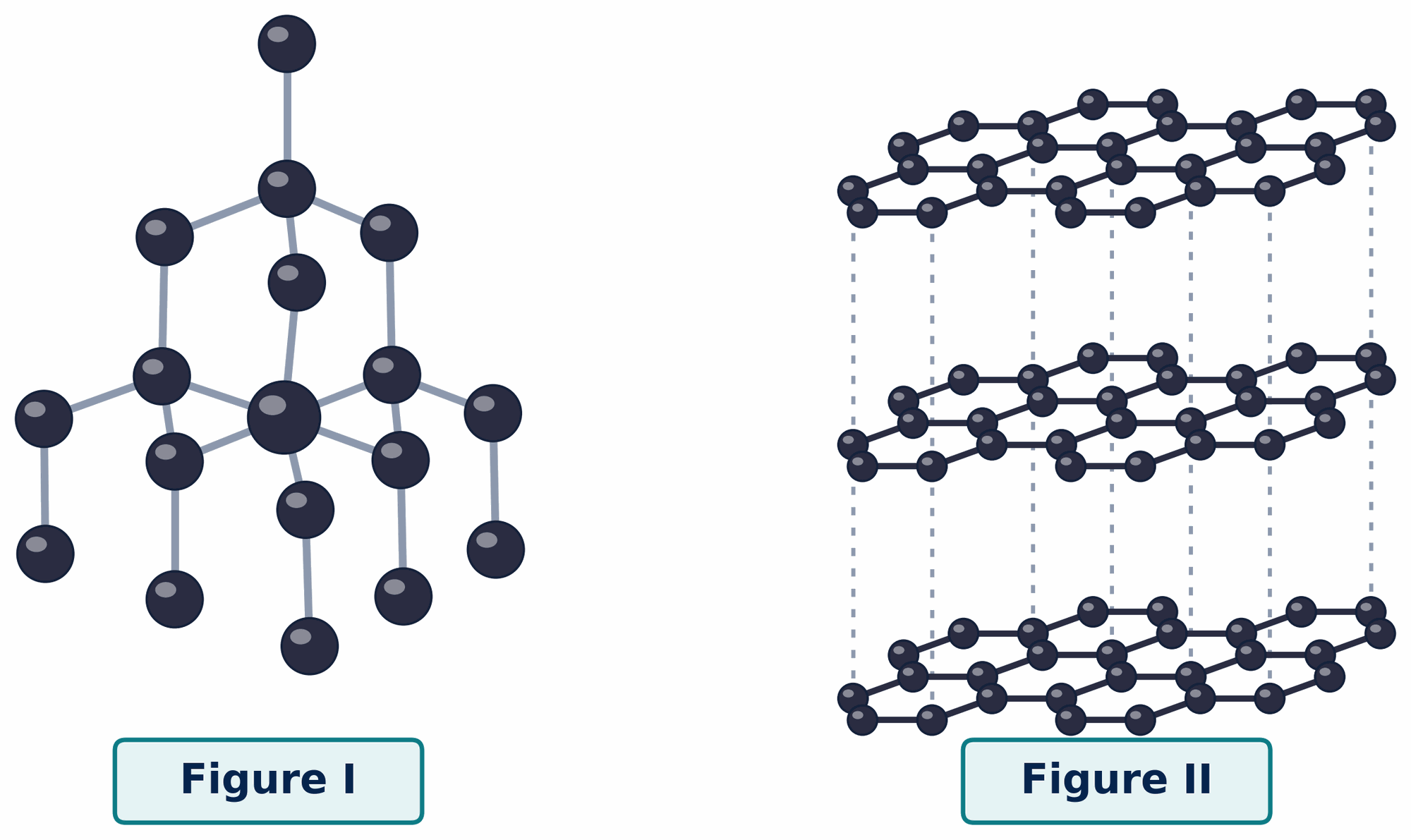
The figure below represents the two allotropes of carbon:
a. Define allotropy
b. Identify the names of the above allotropes of carbon:
Question 34 · 4 marks
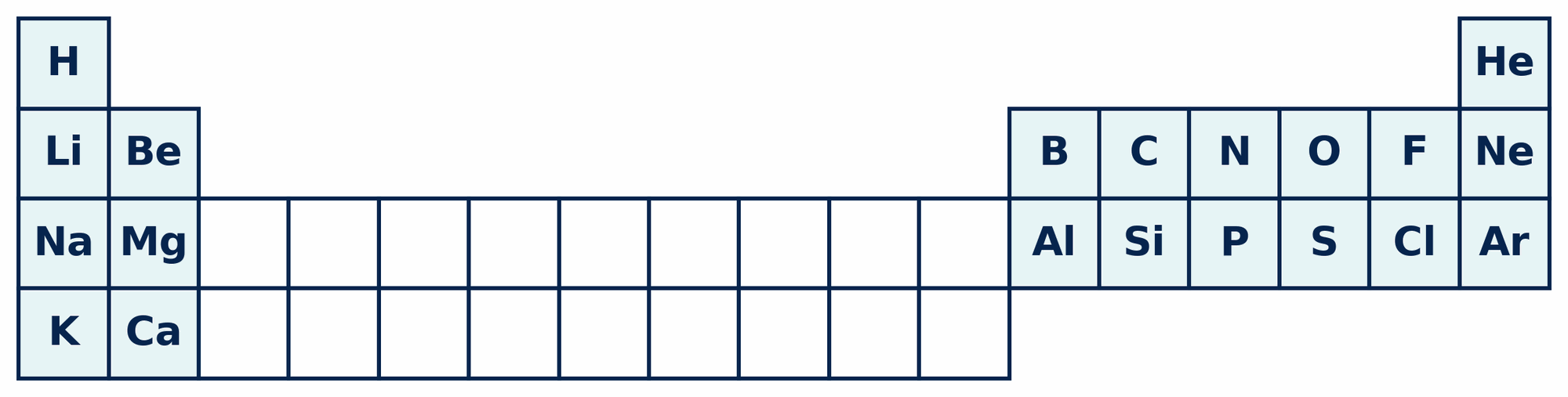
Using the periodic table below answer these questions
a. Which block of periodic table that these elements belong?
(Lithium, magnesium and sodium)
b. Name three elements of alkaline earth metals
Question 35 · 4 marks
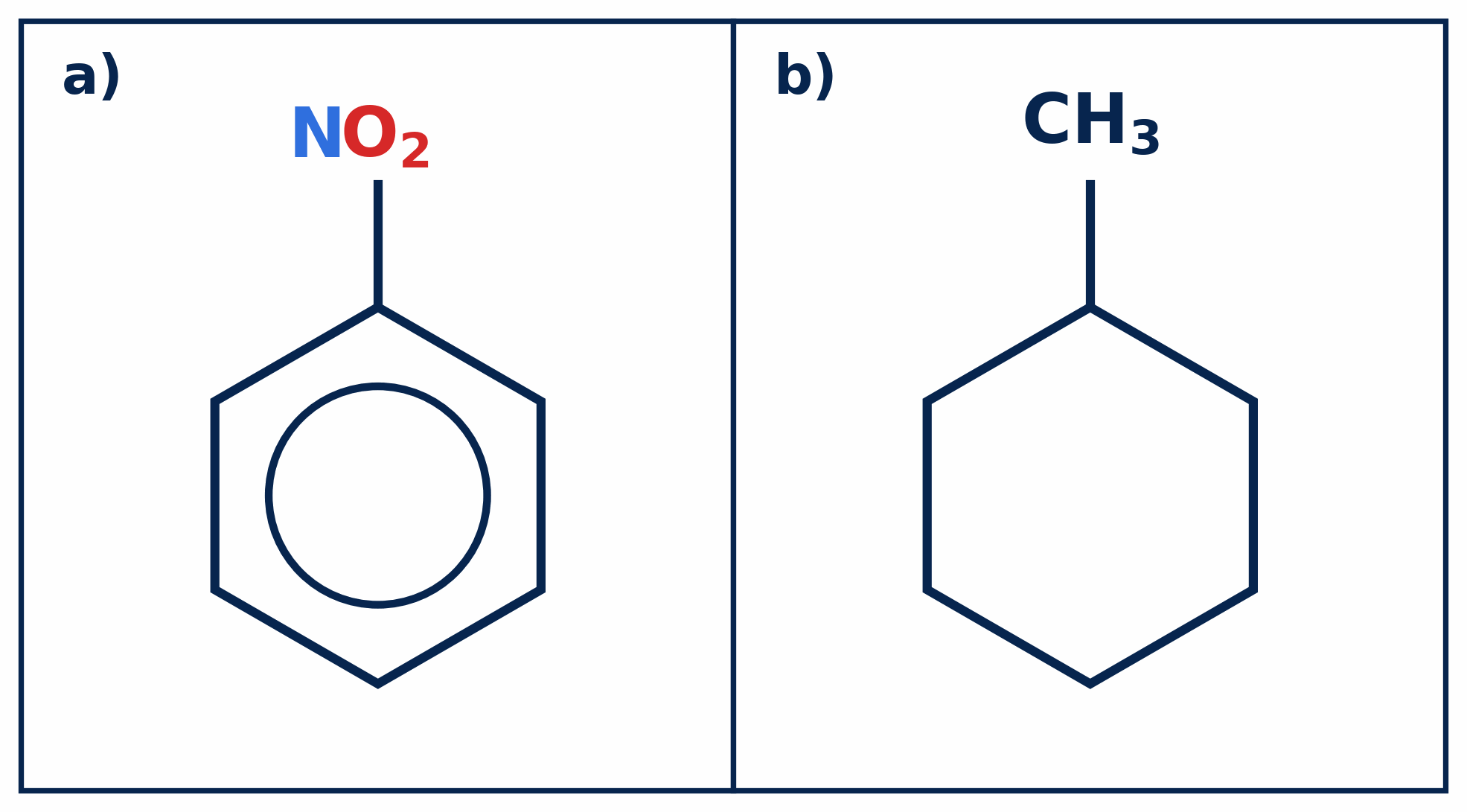
Give the correct name of the IUPAC
Compound (a)
Compound (b)
Question 36 · 4 marks
Match the below bio molecules in box with their functions
a. Provide the body energy
b. Required for growth and functions of the body
c. Give protection and fixation of internal organs
d. Store and transmit genetic information

Question 37 · 4 marks
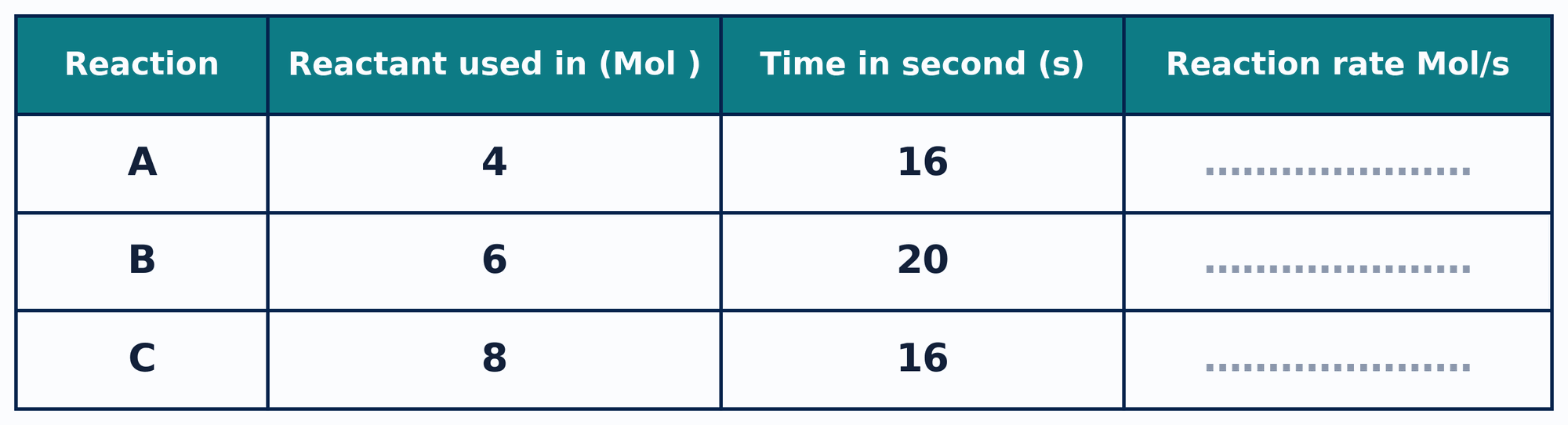
The table below shows the number of moles of reactant used up at particular time for each reaction.
a. Complete the table by the calculating the reaction rate
b. Name the fastest reaction
Question 38 · 4 marks
Define the following terms
a. Chemical kinetics
b. Homogeneous chemical equilibrium
Question 39 · 4 marks
Iron -59 ha a half-life of 44 days. How many milligrams of iron-59 remain after 132 days, if you start with 8mg of the Isotope?
Question 40 · 4 marks
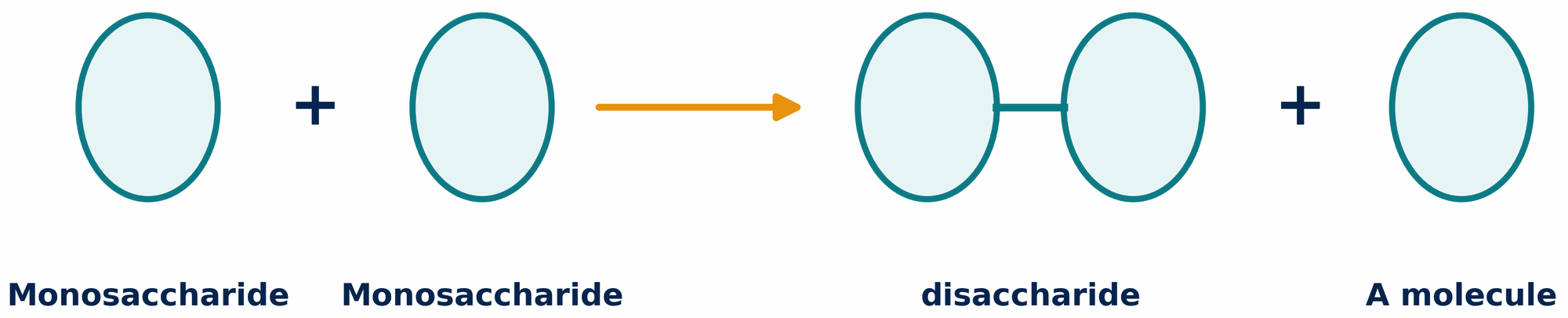
The diagram below represents the disaccharide formation reaction.
a. Identify what is called this reaction.
b. What is name of molecule which is removed during the reaction?
c. Name the bond or linkage that linked the disaccharide.
d. Write the general formula of carbohydrates.
Full lessons, videos, exercises and Mojo
Open the Muraajaco app